You kneel down to set the logs and notice it: a dark line running across the back wall of the fireplace, or a brick at the side that moves when you press it, or a metal panel with a split through the middle. It is the kind of thing owners in Tustin find in the autumn when the first cool evening arrives. The question we get at Lockhart Chimney Experts is always the same: can it be fixed, and what is it going to cost? The honest answer depends on what kind of fireplace you have and how far the damage goes.
Two kinds of fireboxes
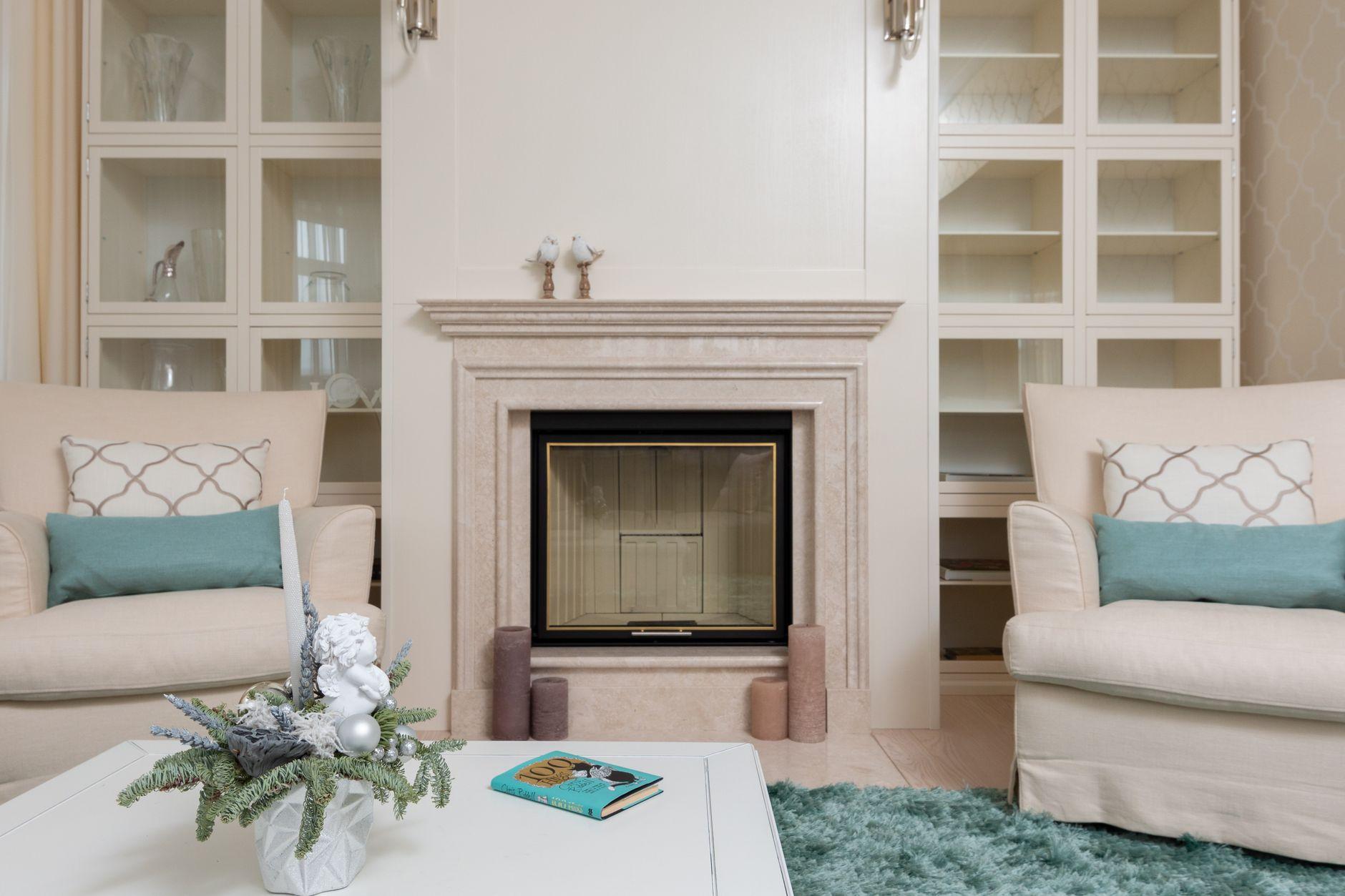
Masonry fireplaces have a firebox built of firebrick set in heat-resistant mortar, inside a brick or block chimney. These are common in older Tustin houses and many ranch homes in North Tustin.
Factory-built fireplaces are a steel box lined with heat-resistant panels, connected to a metal flue that runs up inside a framed chase. Plenty of newer houses in Tustin, Irvine and Lake Forest have one.
The repairs and the costs are different for each, so the first thing we do is identify which one you have.
Cracks in a masonry firebox
Firebrick takes a lot of heat, then cools, every time the fire is lit. Over years the joints wear and bricks crack. What we see most:
- Open mortar joints. The mortar between firebricks erodes. We rake out the loose material and refill with refractory mortar. This is the smallest firebox job.
- A few cracked or spalled bricks. Individual bricks can be cut out and replaced with new firebrick.
- A back wall that has bowed or cracked through. When the rear wall leans in or has a crack wide enough to see the brick behind it, the back panel may need rebuilding.
- A cracked hearth floor. The firebox floor can be relaid. A cracked hearth extension in front of the opening is a separate repair.
The risk with an open masonry firebox is heat reaching the wood framing behind the chimney. A small gap in the joints is enough, over years, to dry out and char the framing. That is why we do not treat wide joints as cosmetic.
Cracks in a factory-built firebox
Factory-built fireplaces use refractory panels, not brick. Hairline cracks in those panels are common and are usually fine. What is not fine:
- A crack wide enough to see the steel behind it.
- A panel with a missing chunk.
- A panel that has come loose from its clips.
- Rust or warping in the steel box itself.
Panels can usually be replaced if the maker still supplies them or a fitting replacement exists. A steel box that is rusted or warped is a different story: these are tested as a system, and once the box is damaged the fix may be an insert or a replacement unit, not a patch.
Three directions a repair can go
Once we know what is wrong, the options usually fall into three groups.
- Repair the firebox. Repoint the joints, replace bricks or panels, rebuild a back wall. You keep the fireplace you have and use it as before.
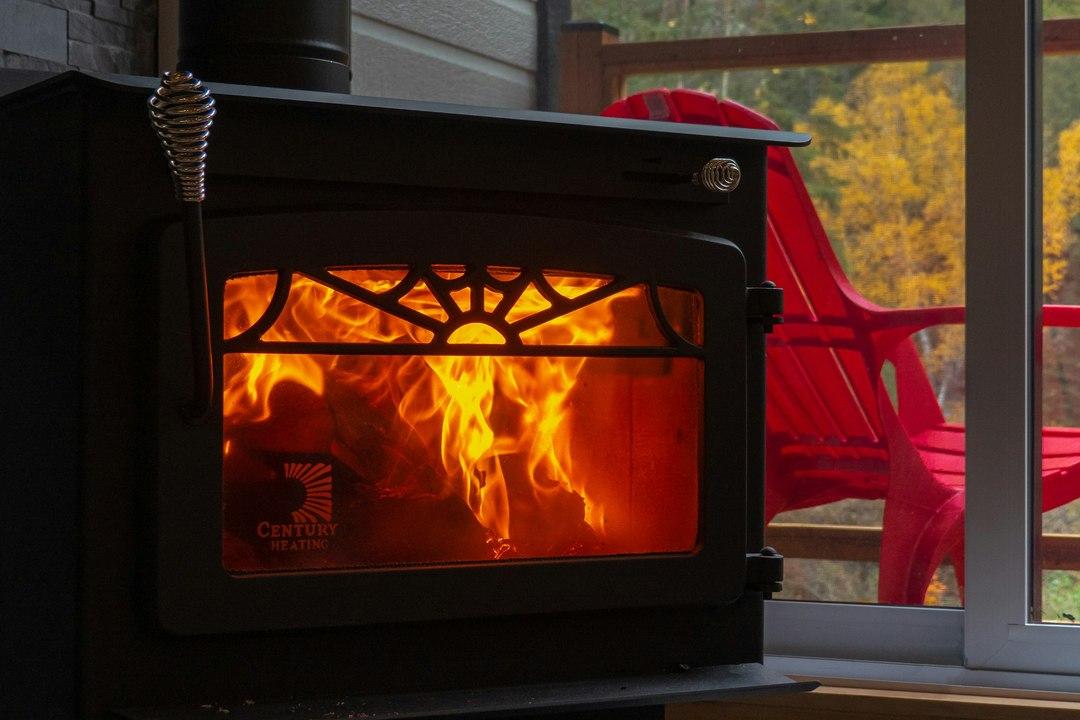
- Put an insert in it. With an insert, the fire burns inside a sealed metal body with a glass front, vented through new pipe up the old chimney. The cracked brick stops being the thing holding the heat, and the room gets far more warmth out of each fire.
- Close it off. If the fireplace is not used and the owner does not want to spend on it, it can be sealed and left. We say so when that is the sensible choice.
What each one costs
Firebox repairs do not carry a printed price. The amount of joint work, the number of bricks or panels and whether a back wall comes out all vary too much. We put a figure per item on paper once we have looked at the fireplace.
If you choose an insert, our published figure for a gas insert, set into the fireplace where the wood fire used to burn, is $2,750 to $5,500. A wood-burning insert has no printed figure; we put a number on it once we know the unit and how much liner the chimney takes. If you want a fire somewhere the house never had one, a vented gas unit built into a wall runs $4,400 to $8,850. If the firebox repair needs a camera run up the flue first, a Level 2 is $385.
What decides the price, and the next step
The kind of fireplace, how far the cracks run, whether the steel or brick behind is sound, and which of the three directions you choose. To find out, use the form on our contact page and tell us whether the fireplace is brick or metal, wood or gas, and what you found inside. We call back to book a time to look, and the written quote lists the repair and, where it fits, the insert option beside it.
What waiting costs
A cracked firebox you never light costs nothing to wait on. A cracked firebox you light every weekend in winter is a different matter. Heat through an open joint or a split panel reaches the parts of the house that were never meant to get hot. Fireplace fires that start in the framing behind the chimney are hard to see until they are well along. If the fireplace is in use, we would rather you stopped lighting it until it has been seen.
Related work
The damper above the firebox often wears at the same pace. If it sticks, does not seal or has rusted through, damper repair covers it. For broader fireplace work see fireplace repair and fireplace inserts, or read how we price chimney repairs in Tustin.
If you have spotted a crack and want to know where it leaves your next fire, reach us through the contact page and we will arrange a visit.
Recognize This Fault at Home?
Lockhart Chimney Experts follows the sign back to the part that failed, fixes that part and explains what a delay would cost. Crews work from Tustin across Tustin and Orange County.