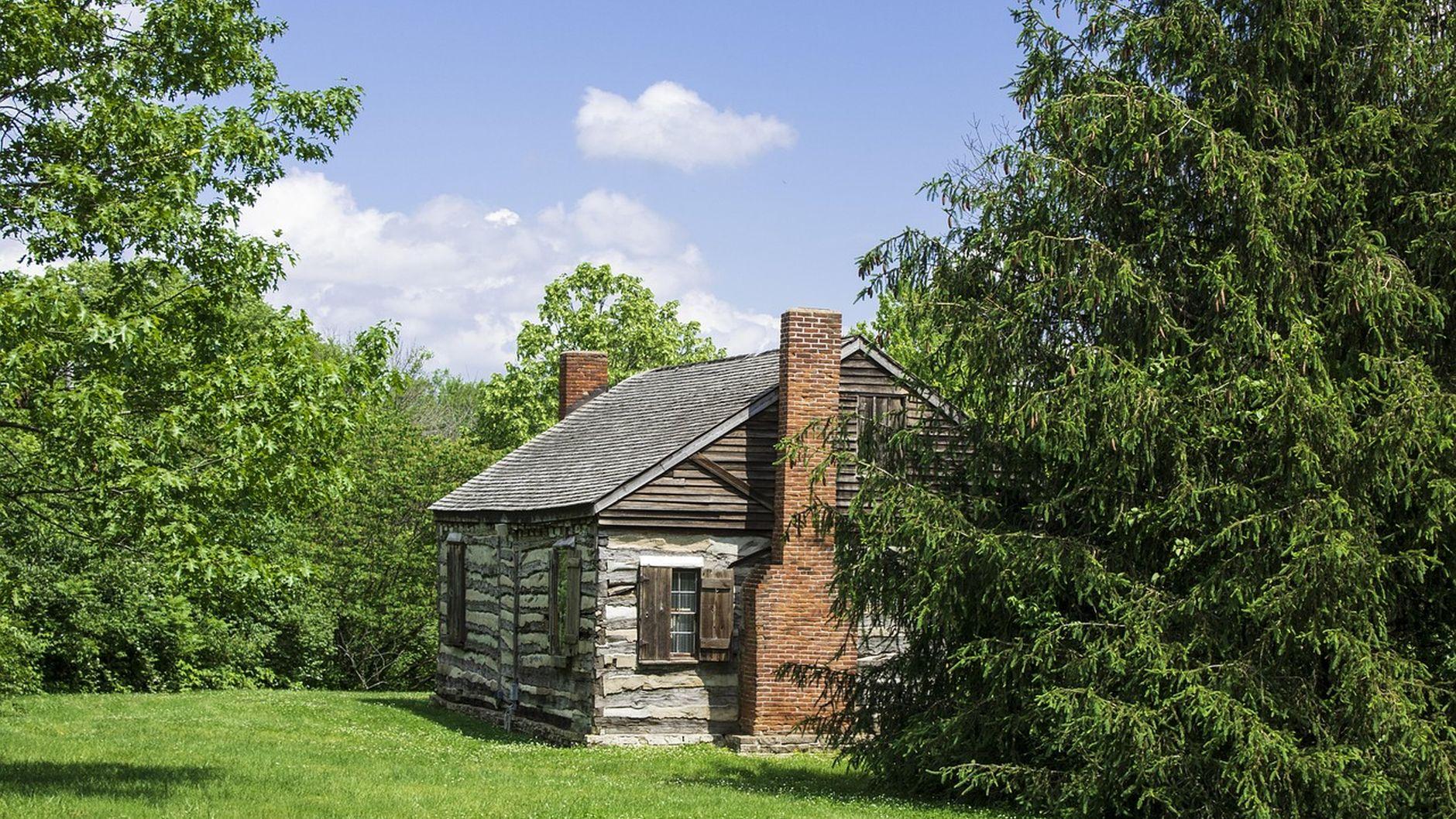

Stand across the street and look at the chimney against the roof line. If the top seems to tip a little away from the house, or there is a dark gap between the brick and the siding that was not there before, or a few bricks near the top have slipped out of line, something has moved. In Tustin that movement usually traces back to age, water and the small and large quakes Orange County gets. The two repairs owners hear about are bracing and rebuilding. Lockhart Chimney Experts explains here how we choose between them and what each one involves.
Why brick chimneys move
An older masonry chimney is mostly unreinforced brick stacked on a footing, held to the house at a few points. Mortar weakens over decades, especially near the top where sun and rain hit it hardest. When the ground shakes, the stack and the wood frame of the house respond differently. The brick above the roof has nothing around it, so that is where cracks open and courses shift. Each shake, felt or not, can loosen it a little more.
Signs that point to movement:
- A horizontal crack in the mortar near the roofline.
- Bricks near the top that rock under a hand.
- A gap opening between the chimney and the house wall.
- The stack visibly out of plumb.
- Flashing torn or pulled at one side.
- Pieces of brick or mortar landing on the roof or patio.
Option one: brace what is still sound
Bracing ties the chimney to the house so it is less likely to topple in a shake. It can mean steel angles and straps at the top fixed back to the roof framing, or ties where the chimney meets the floor and ceiling levels inside. The point is to hold a stack that is still in good condition.
Bracing suits a chimney where:
- The mortar is still firm, or has been repointed.
- The brick is not cracked through.
- The stack is close to plumb.
Bracing a chimney with loose top courses does little. The bricks can still come off above the straps. So before we recommend it, we check the masonry at the top by hand and often repoint first.
Option two: rebuild the top
When the brick above the roof is loose, cracked through or leaning, the safer route is to take that section apart and build it again. How far down we go depends on where the masonry turns solid. Many rebuilds stop at the roofline; some go lower.
A rebuild is also a chance to make the top of the chimney better than it was:
- New brick laid in fresh mortar.
- Steel reinforcement in the new section where the design calls for it.
- A properly shaped crown that sheds water.
- New flashing at the roof.
- A cap over the flue.
Some owners in Tustin choose to rebuild the top above the roof in a lighter material, such as a framed and stuccoed section with a metal flue. That depends on the fireplace below and what the owner wants to burn, and we talk through it at the visit.
Option three: take it down
If the fireplace is never used, removing the chimney above the roof and closing the roof is sometimes the most sensible fix. It removes the heaviest loose brick from above the house. We include it on the quote when it fits.
Why a Level 2 comes first
You cannot judge a chimney's condition from the outside alone. A Level 2 inspection, which films the full height of the flue, shows cracks in the liner and shifts at the tile joints that tell us how far movement has run inside. It costs $385. Without it, a contractor is guessing how far down a rebuild has to go. Our Level 2 page explains what the footage shows.
What it costs
Bracing, rebuilds and removals have no printed price here. They depend on the height of the stack above the roof, the number of flues, how far down the damage goes and how the roof can be accessed. We write the price on paper after the inspection, with each option you could choose next to the others. If the job includes a cap, it is quoted after we measure. New roof metal with a diverter on the high side is $665 to $1,650.
What decides the price, and the next step
The masonry above the roof, how far down it is loose, the number of flues and whether you want to keep using the fireplace. To book a look, fill in the form on the contact page with the address, what you see from the street (a lean, a gap, loose bricks) and whether the fireplace is still in use. We call back to arrange the visit, and the written quote puts bracing, rebuild and removal side by side where each applies.
What waiting costs
A leaning chimney is not a slow leak. It is a heavy object above a roof, often above a bedroom or a walkway. The next quake, even a moderate one, can bring loose bricks down. Until it has been looked at, keep people away from the side of the house below it, and do not light the fireplace if the flue may be cracked.
Related reading
Our seismic retrofit and chimney rebuild pages go into the work in more depth. If a buyer or an inspector has flagged the chimney, see up to code chimney repairs. And for pricing on other chimney faults in Tustin, read chimney repair prices.
If a chimney on your house has started to lean or shed brick, tell us about it on our contact page and we will come assess it.
Recognize This Fault at Home?
Lockhart Chimney Experts follows the sign back to the part that failed, fixes that part and explains what a delay would cost. Crews work from Tustin across Tustin and Orange County.